What the Next Twelve Weeks Look Like When the Programming Is Right
- James Swift
- 2 days ago
- 6 min read
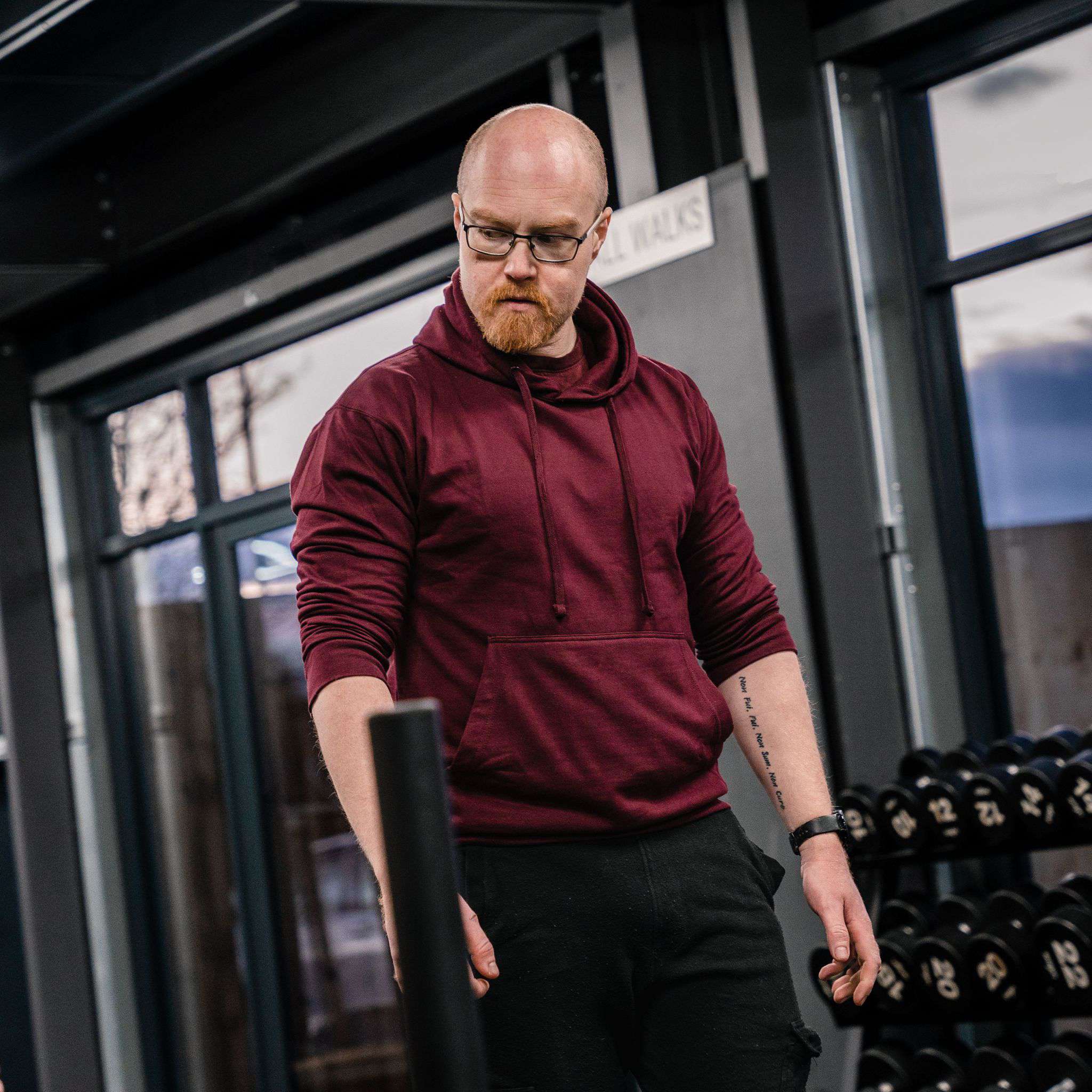

Progress becomes predictable again, the low-grade fatigue lifts, and the bar moves on a weekly timescale. What actually changes when an intermediate lifter finally has programming that fits them.
Twelve weeks from now, the bar moves again.
Not every session, the way it did when you were a novice. On a weekly and monthly timescale, which is how progress works once you are past the beginner stage. But it moves, and you can see it moving, and the difference between that and where you are now is the difference between training with a purpose and grinding in place hoping something changes.
This is what the other side of the stall looks like when the programming matches the lifter. It is worth describing plainly, because most stalled lifters have been stuck long enough that they have stopped believing it is available to them.
The Fatigue Lifts First
The first thing that changes is not a number on the bar. It is how you feel between sessions.
A stalled lifter running too much volume into too little recovery carries a low-grade fatigue that never fully clears. You get used to it. You start to think that dragging yourself to the gym feeling flat and heavy is simply what training is, and that everyone feels this way. It is not what training is, and they do not.
When volume is matched to what you can actually recover from, that background fatigue drains away over the first few weeks. You arrive at sessions feeling capable rather than depleted. The bar speed comes back. The sessions that felt like a slog start to feel like work you can do, and then like work you can do well. This happens before the numbers move, and it is the first sign the programming is now working with your recovery rather than against it.
The earliest evidence that your programming has been fixed arrives before any personal record: the fatigue you had stopped noticing, because you assumed it was permanent, simply drains away.
The Aches Settle
The nagging complaints that accumulate during a stall tend to ease over the same period, and for a reason worth understanding.
Connective tissue adapts more slowly than muscle. During a stall, when a frustrated lifter piles on volume and grinds through sessions, the tissues that attach and stabilise are loaded faster than they can strengthen, and they protest. The tight lower back on a Thursday, the cranky knee, the elbow that aches under pressing volume, these are frequently the sound of connective tissue being asked to keep pace with loading it has not caught up to.
Programming that respects the slower adaptation timeline of these tissues gives them room to strengthen rather than just endure. Over twelve weeks, loaded sensibly and progressively, the aches that felt like the beginning of an injury often settle into nothing. The structure adapts because it was finally given the conditions to.
The Progress Becomes Predictable
The change that matters most is not the size of the jump. It is that the jumps become expectable again.
During a stall, training is a guess. You do not know whether this session will go well or badly, whether the weight will move or stall, whether you are progressing or spinning. That uncertainty is exhausting in its own right, separate from the physical fatigue. You are working hard with no way to know whether the work is doing anything.
On programming that fits you, progress returns to something you can anticipate. Not session to session, but across a training block you can look back and see that your working weights climbed, that the lifts that were stuck have moved, that the direction is up. The training stops being a question and becomes a process you can trust, which is the thing a stalled lifter has usually lost long before they lose the numbers.
Predictable progress is the actual product of good programming. The personal records follow from it, and mistaking them for the goal is how lifters end up chasing numbers instead of building the process that produces them.
Why It Takes Twelve Weeks
Twelve weeks is not an arbitrary marketing number. It is roughly the minimum honest window to demonstrate intermediate progression, and it is worth understanding why, because the reason is the same physiology the whole campaign has been about.
Intermediate progress is measured across weeks and blocks rather than sessions. A single good week proves nothing, because a single week can be a fluctuation. To show that a programme is genuinely driving adaptation, you need enough time for the weekly progression to accumulate into a trend you can distinguish from noise, for a deload to be taken and recovered from, and for connective tissue to begin its slower adaptation. That takes months, not weeks, and anyone promising to rebuild your training faster than your biology can move is selling the same false hope that stalled you in the first place.
Biology does not adapt in a weekend. It adapts over blocks, and twelve weeks is the shortest span in which you can honestly see it happen.
What Doing This Properly Requires
Everything described here depends on one thing: programming that is actually fitted to you and adjusted as you go, by someone who can see what you cannot see in your own training.
That is what The Digital Rack is. It is online coaching built around exactly the handoff this campaign has been describing, for lifters who train away from Neston and want their programming managed by someone rather than bought as a document. The programming is built around your recovery capacity, your history, and your current state. Every lift is reviewed on video, so the fatigue-versus-technique distinction that you cannot make from the inside gets made by someone watching from outside. The weekly decisions, the ones that determine whether a sound structure actually produces progress, are made for you and explained to you.
This is applied decision-making delivered as an ongoing service, the missing piece the last several articles have argued for, rather than a document you are left to run alone.
Where to Start
The entry point is the Online Training Consultation. It is a forty-five-minute session, £20, where we assess your training history, your current stall, and what your programming actually needs to address. It is the first step into structured, periodised coaching built around you, and it is where we work out whether The Digital Rack is the right fit for your situation.
You can book the consultation at jamesswift.uk/book-online, and you can see how the coaching works at jamesswift.uk/onlinecoaching.
Your novice programme had an expiry date and you reached it. The Digital Rack is what comes after it.
Frequently Asked Questions
How long does it take to break a strength plateau with proper programming?
Roughly twelve weeks is the honest minimum to demonstrate intermediate progression. Progress at this stage is measured across weeks and blocks rather than sessions, so you need enough time for the weekly progression to accumulate into a visible trend, for a deload to be taken and recovered from, and for connective tissue to begin adapting on its slower timeline.
What actually changes when I switch to individualised intermediate programming?
The background fatigue clears first, usually within the first few weeks, because volume is matched to your recovery capacity. The aches from chronic overreaching settle as connective tissue is given room to strengthen. Then progress becomes predictable across training blocks rather than the guesswork a stall turns training into.
What is The Digital Rack?
The Digital Rack is online strength coaching for lifters who train away from Neston. Programming is built around your recovery capacity, history, and current state rather than sold as a template, every lift is reviewed on video, and the weekly programming decisions are made for you and explained to you. It is the applied coaching layer that a static programme cannot provide.
What happens in the Online Training Consultation?
It is a forty-five-minute session, £20, assessing your training history, your current stall, and what your programming needs to address. It is the first step into structured, periodised coaching and the point at which we work out whether The Digital Rack suits your situation.
Why should I pay for coaching instead of buying another programme?
A programme is a static document that cannot observe your lifts or adjust to what happened in your training. At the intermediate stage, the weekly decisions made in response to your actual performance determine whether the structure produces progress, and those decisions require an external eye. Coaching provides that layer; a template cannot.

Comments